













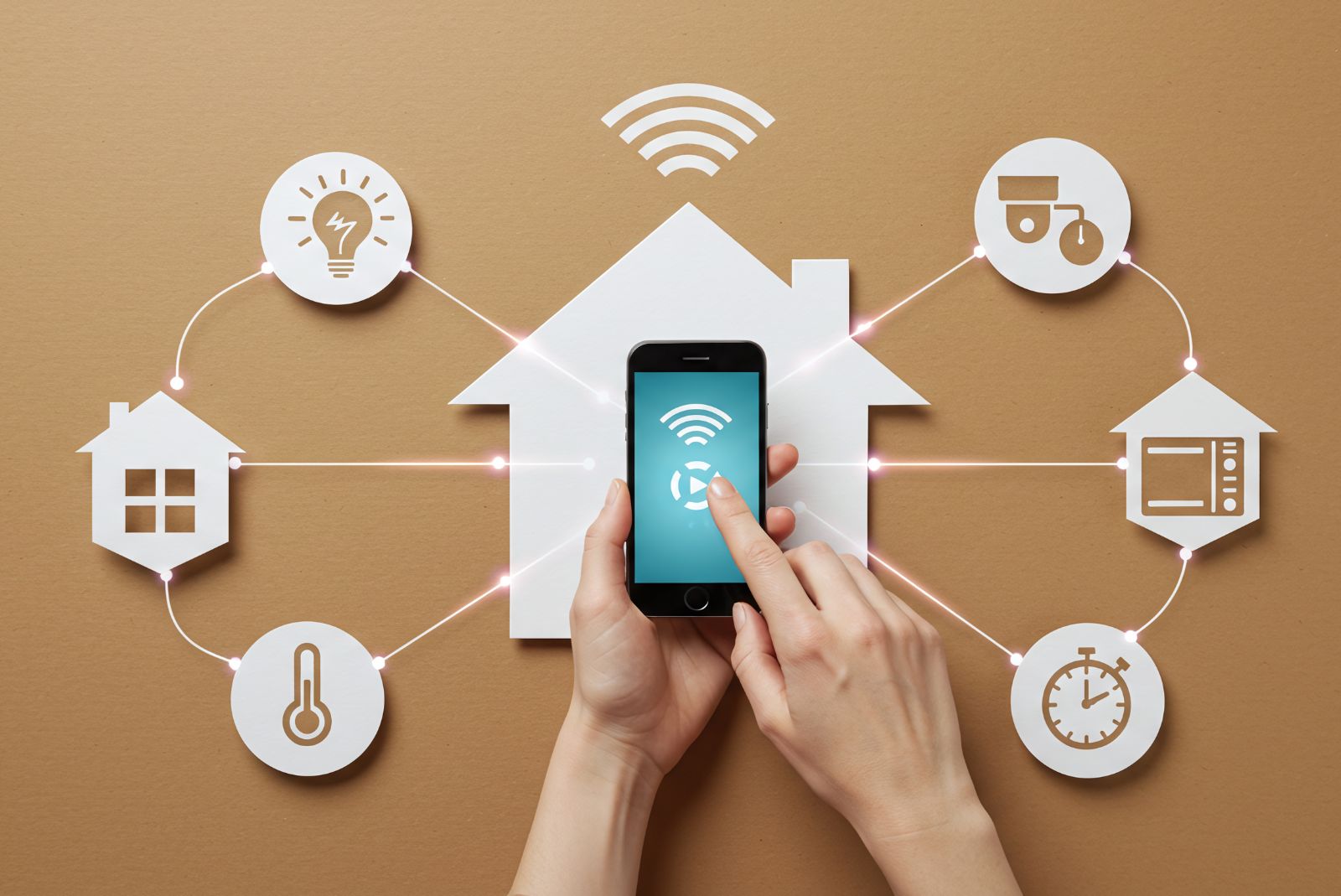
Is Your Home Smart Enough? The Future of Living is Automated
Ten years ago, a “smart home” meant clapping your hands to turn off the lights. Today, it means your house knows when you leave for work, locks the doors, lowers the thermostat to save energy, and vacuums the floor before you return.
Smart home tech isn’t just about showing off to neighbors; it’s about convenience, security, and saving money on utility bills.
The Brain: Choosing Your Ecosystem
Before buying a single bulb, pick a team.
-
Amazon Alexa: Best for compatibility. Works with almost everything.
-
Google Home: Best for answering questions and integration with Android.
-
Apple HomeKit: Best for privacy and iPhone users, though fewer devices are compatible.
-
Matter: The new standard that aims to make everything work together. Look for the “Matter” logo on boxes in 2026.
Energy Savings (The Smart Thermostat)
This is the only gadget that pays for itself. Devices like the Ecobee or Nest Learning Thermostat learn your schedule. They detect when the house is empty and switch to “Eco Mode,” potentially saving you 10-15% on heating and cooling bills annually.
Security & Peace of Mind
Video doorbells (like Ring or Eufy) have changed the game for package theft in the US. But true automation goes further: imagine your smart lights turning red if the security cameras detect motion in the backyard at 2 AM. Or receiving a notification on your phone if your smoke detector goes off while you are on vacation.
Start Small
Don’t try to automate the whole house in one weekend. Start with Smart Lighting (like Philips Hue). Setting your bedroom lights to slowly fade up with the sunrise changes your entire morning routine.
You Might Also Like
Stop Losing Money: Why You Need a High-Yield Savings Account in 2026