













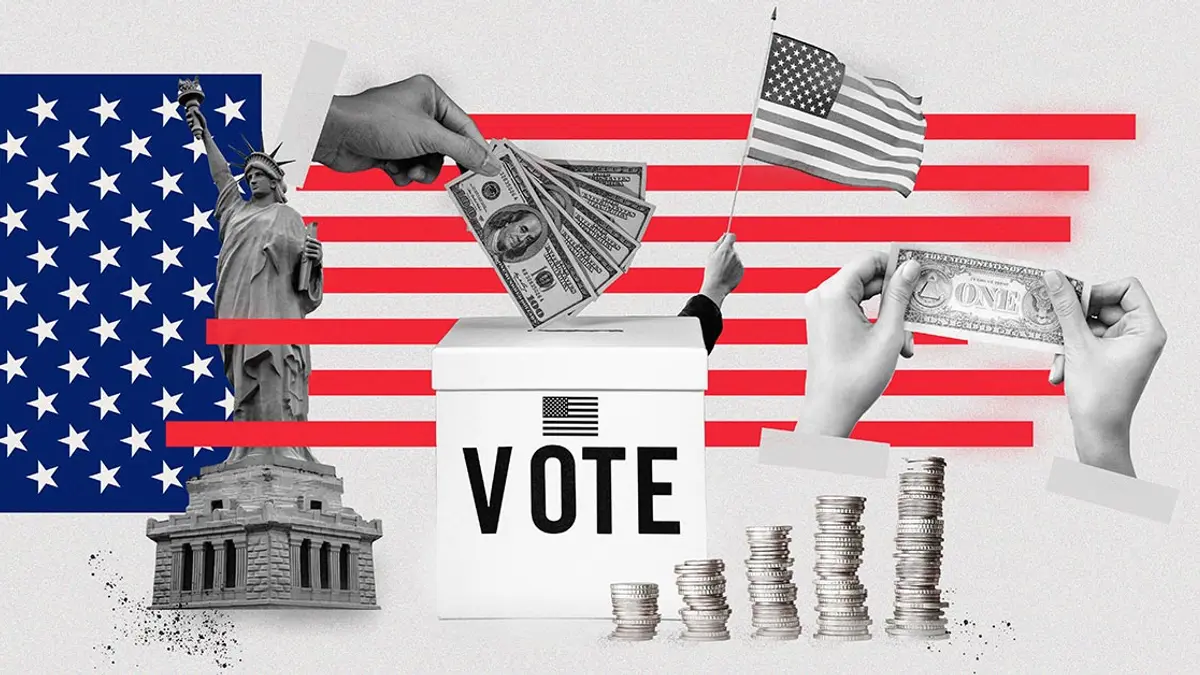
As the 2026 U.S. election cycle approaches, political momentum is already building across the country. Control of Congress, state governments, and the national agenda are all at stake. With shifting voter priorities and growing economic concerns, this election could reshape the balance of power in Washington.
Here’s a closer look at the key issues, party strategies, and what American voters should be paying attention to in the months ahead.
The Battle for Congress
Control of the U.S. Congress remains the central focus of the 2026 elections. Both chambers — the House of Representatives and the Senate — are expected to see competitive races in key swing states.
A narrow majority in either chamber could significantly impact:
- Federal spending and tax legislation
- Immigration reform proposals
- Healthcare policy changes
- Military and foreign policy decisions
Even small shifts in seats could influence how legislation moves forward — or stalls — in Washington.
Major Issues Driving Voters
1. The Economy and Inflation
Economic concerns continue to dominate voter conversations. Rising costs of living, interest rates, and job security are top priorities for many households. Both parties are expected to center their campaigns around economic recovery and financial stability.
2. Border Security and Immigration
Immigration remains one of the most debated political topics nationwide. Proposals range from stricter border enforcement to comprehensive reform pathways.
The Republican Party is expected to emphasize stronger enforcement measures, while the Democratic Party may focus on balanced reform strategies.
3. Healthcare and Social Programs
Healthcare affordability, prescription drug pricing, and Medicare funding remain high on the agenda. Voters across party lines continue to express concern about access and long-term sustainability.
4. Presidential Influence
Although 2026 is not a presidential election year, national leadership will heavily influence congressional races. The policies and public approval ratings of leaders like Joe Biden and Donald Trump continue to shape voter enthusiasm and turnout strategies.
The direction of the White House often affects how voters perceive broader party agendas.
Party Strategies for 2026
Republican Strategy
- Focus on economic messaging
- Emphasize border security
- Target suburban and working-class voters
- Increase turnout in rural regions
Republican campaigns are likely to spotlight inflation and government spending as central themes.
Democratic Strategy
- Highlight job growth and infrastructure investment
- Protect healthcare programs
- Appeal to younger voters and urban communities
- Promote social policy achievements
Democrats may also prioritize messaging around protecting democratic institutions and voting rights.
Swing States to Watch
Several states are expected to determine the balance of power in Congress. Competitive Senate races and closely divided House districts in battleground states could define the national outcome.
Suburban districts, in particular, are becoming increasingly influential in modern elections.
Voter Turnout Trends
Recent election cycles have seen historically high voter turnout. Factors influencing turnout in 2026 may include:
- Mail-in voting policies
- Early voting access
- Economic conditions
- Candidate popularity
Younger voters and independent voters could play a decisive role in close races.
Early Political Forecast
While it is still early in the cycle, analysts expect a highly competitive environment with tight margins in multiple states. Political polarization remains strong, and campaign spending is projected to reach record levels.
If economic concerns remain at the forefront, candidates who effectively communicate practical solutions may gain the advantage.