












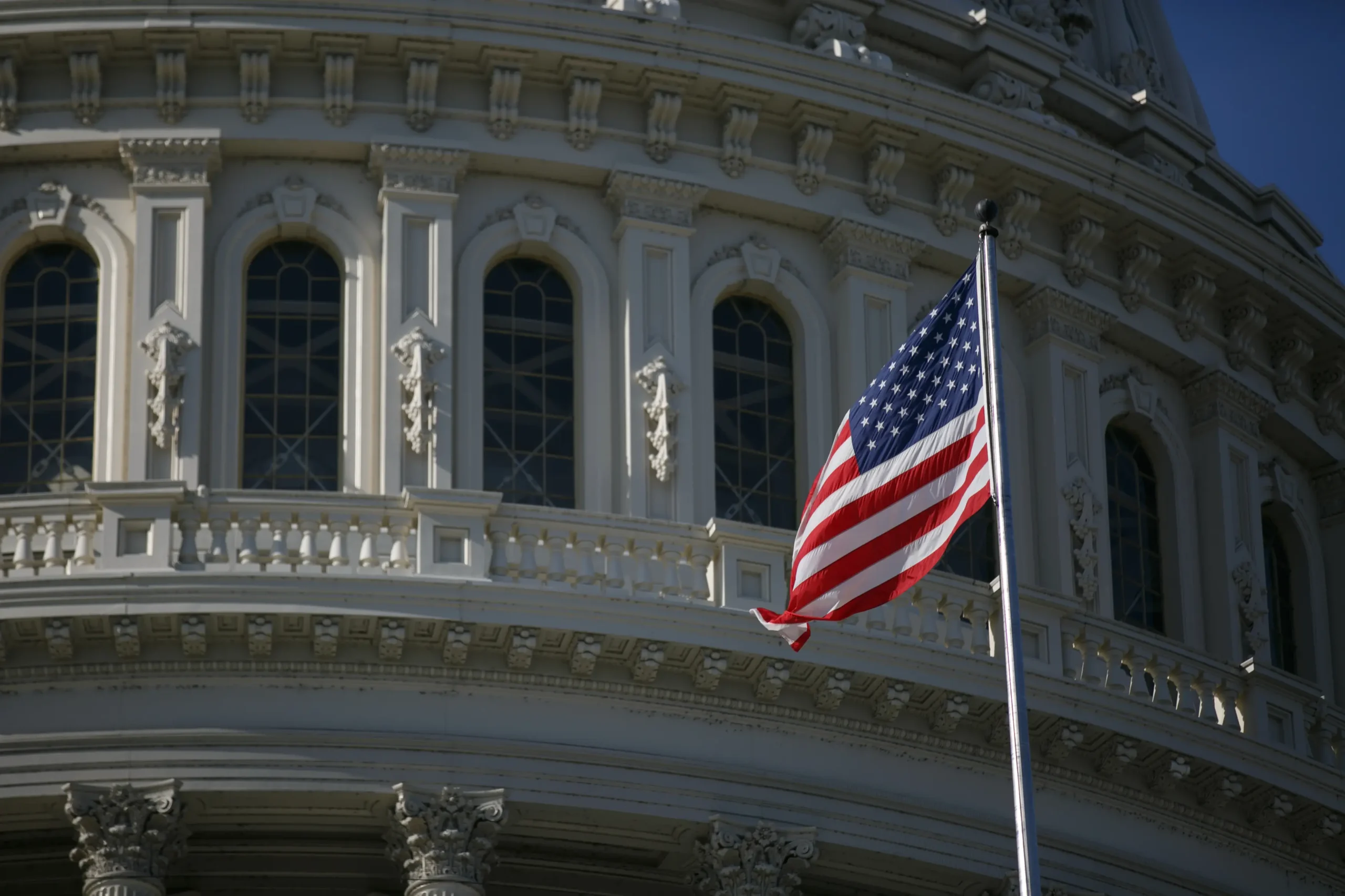
In the United States, politics has always been closely tied to the protection of civil liberties and the ongoing struggle to maintain democratic institutions. As 2026 unfolds, political discourse across the country is increasingly centered on the balance between national security, economic priorities, and the preservation of fundamental human rights. With a presidential election cycle approaching and debates intensifying in Congress, questions surrounding democracy, voting rights, and political polarization have become central to the national conversation.
One of the most significant political issues dominating headlines today is the continued debate over voting access and election integrity. Across several states, lawmakers are proposing legislation that supporters argue will strengthen election security. Critics, however, contend that certain policies may restrict access to voting for historically marginalized communities. Civil rights organizations emphasize that the right to vote remains one of the core pillars of American democracy, and any reform must ensure both fairness and accessibility.
The debate reflects a long historical context in which voting rights have been expanded gradually through constitutional amendments and landmark legislation. The Voting Rights Act of 1965 remains one of the most influential laws in this area, designed to eliminate discriminatory practices that prevented minority communities from participating fully in elections. While the political environment has evolved significantly since that time, advocacy groups argue that the protection of voting rights continues to require constant vigilance.
Another central topic in American politics today is the protection of civil liberties in the digital era. As technology companies expand their influence and social media platforms shape public discourse, policymakers are exploring new frameworks to regulate online speech while protecting freedom of expression. Lawmakers in Washington are considering proposals that address misinformation, data privacy, and the power of large technology corporations.
Balancing these concerns is not simple. On one hand, misinformation and coordinated disinformation campaigns can undermine democratic institutions and public trust. On the other hand, excessive government regulation of online speech could potentially threaten First Amendment protections. Legal scholars and civil liberties advocates argue that any regulatory approach must carefully protect constitutional freedoms while addressing genuine societal challenges.
Immigration policy also remains a defining political issue in the United States. The country’s immigration system has long been shaped by both humanitarian commitments and economic considerations. In recent months, lawmakers have renewed discussions about reforming border policies, expanding legal immigration pathways, and improving the asylum system.
Human rights organizations emphasize that immigration debates should prioritize humane treatment, due process, and international obligations toward refugees. Many advocates stress that policies should reflect America’s historical role as a nation shaped by immigrants while also maintaining effective and lawful border management.
Economic policy is another area where politics and human rights intersect. Rising housing costs, healthcare affordability, and student debt continue to impact millions of Americans. Policymakers from both major political parties have introduced proposals aimed at addressing these issues, though their approaches differ significantly.
Some lawmakers support expanded federal programs to improve healthcare access and reduce prescription drug costs. Others advocate market-driven solutions that focus on competition and innovation. Despite political disagreements, there is growing bipartisan recognition that economic stability and opportunity are critical components of social equity and human dignity.
At the same time, debates about climate policy have gained urgency. Scientists continue to warn about the accelerating effects of climate change, including extreme weather events, rising temperatures, and environmental degradation. In response, policymakers are discussing investments in renewable energy, infrastructure modernization, and environmental protection.
Environmental justice has become an increasingly important dimension of this debate. Studies show that lower-income communities and communities of color are often disproportionately affected by pollution and environmental hazards. Addressing these inequalities has become a key focus of modern environmental policy.
Another defining feature of the current political climate is polarization. Surveys consistently show that Americans remain deeply divided on many policy issues, and political rhetoric has grown increasingly intense. Yet at the same time, many civic leaders emphasize the importance of dialogue, democratic participation, and institutional resilience.
Universities, nonprofit organizations, and civic groups are working to promote civic education and encourage constructive political engagement. Their efforts reflect a broader belief that democracy depends not only on laws and institutions but also on an informed and active citizenry.
Looking ahead, the coming years will likely test the strength of American democratic institutions. As debates continue over voting rights, economic policy, digital regulation, and immigration reform, the central question remains how the United States can maintain its commitment to human rights while navigating complex political challenges.
The answer may ultimately depend on the willingness of leaders and citizens alike to uphold democratic values, respect constitutional principles, and engage in meaningful dialogue across political divides.