













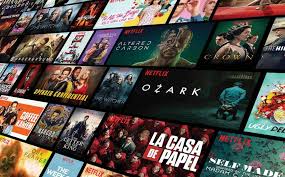
The entertainment industry in the United States has undergone a dramatic transformation over the past decade. With the rise of streaming platforms, digital content, and social media influencers, traditional forms of entertainment such as television and cinema are facing significant competition.
Streaming services have revolutionized how people consume content. Platforms like Netflix, Disney+, and Amazon Prime have shifted viewing habits from scheduled programming to on-demand entertainment. This change has given viewers greater control over what they watch and when they watch it. As a result, binge-watching has become a cultural phenomenon.
Hollywood continues to play a major role in global entertainment, producing blockbuster films and high-budget series. However, the industry is also adapting to changing audience preferences. There is a growing demand for diverse storytelling, inclusive casting, and content that reflects real-world issues.
Music is another area experiencing rapid change. Digital platforms such as Spotify and Apple Music have replaced physical sales, making music more accessible than ever. Artists now rely heavily on social media to connect with fans and promote their work. Viral trends on platforms like TikTok can turn unknown musicians into overnight sensations.
Social media influencers have emerged as a new form of celebrity. Unlike traditional stars, influencers build their audience through direct engagement and relatability. This shift has opened new opportunities for brands and marketers, who collaborate with influencers to reach targeted audiences.
Gaming has also become a dominant force in entertainment. With advancements in technology, video games offer immersive experiences that rival movies and television. Esports, in particular, has gained popularity, attracting millions of viewers and generating substantial revenue.
Despite these advancements, the entertainment industry faces challenges such as content saturation and competition. With so many options available, capturing audience attention has become increasingly difficult. Creators must continuously innovate to stay relevant.
Overall, the future of entertainment in the United States looks dynamic and ever-changing, driven by technology, creativity, and evolving consumer preferences.