













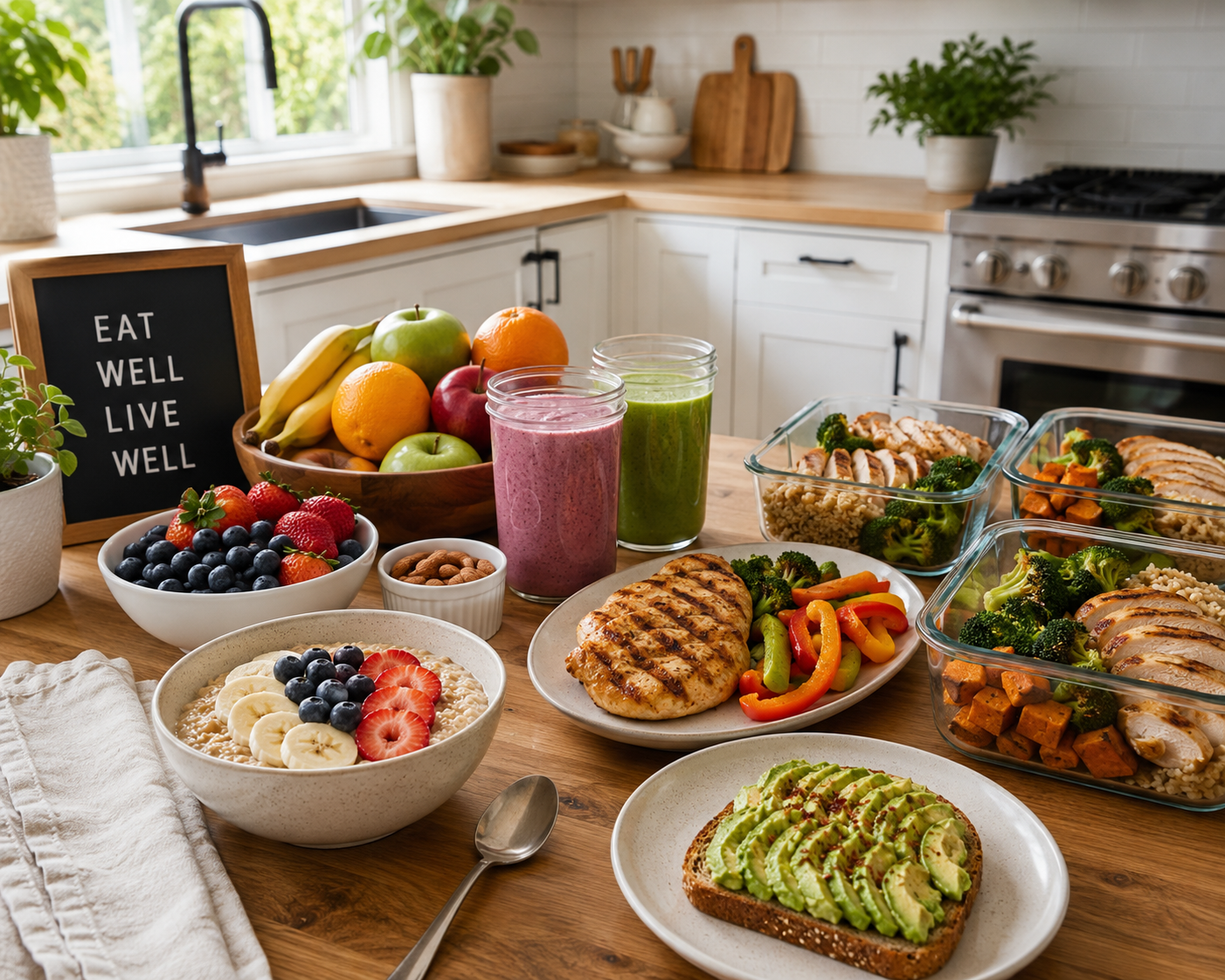
The Ultimate Guide to Healthy Eating Habits for Busy Americans in 2026
Healthy eating habits are becoming more important than ever in the United States. Millions of Americans are now focusing on better nutrition, balanced diets, and healthier lifestyles. With busy work schedules, fast food temptations, and changing food trends, maintaining proper eating habits can feel challenging. However, healthy eating does not have to be complicated. Small changes in daily food choices can create major improvements in physical health, energy levels, mental wellness, and overall quality of life.
In 2026, people are paying closer attention to the connection between food and long-term health. Eating nutritious meals helps reduce the risk of obesity, diabetes, heart disease, and many other health conditions. At the same time, healthy eating can improve mood, sleep quality, focus, and productivity.
This complete guide explains the best healthy eating habits for busy Americans and offers practical tips that anyone can follow.
Why Healthy Eating Habits Matter
Healthy eating habits are not only about weight loss. Nutrition affects every part of the body. The foods people eat provide the vitamins, minerals, protein, carbohydrates, fats, and fiber necessary for proper body function.
A healthy diet can:
- Improve heart health
- Support brain function
- Increase energy levels
- Strengthen the immune system
- Improve digestion
- Reduce inflammation
- Help maintain a healthy weight
- Lower the risk of chronic disease
- Improve sleep and mental health
Many Americans struggle with unhealthy food patterns because of stress, convenience foods, and lack of time. Developing sustainable healthy eating habits creates long-term benefits that extend far beyond appearance.
Start Your Day with a Nutritious Breakfast
Breakfast is one of the most important meals of the day. A healthy breakfast provides energy and helps stabilize blood sugar levels.
Many people skip breakfast due to busy schedules, but this often leads to overeating later in the day. Eating a balanced breakfast improves concentration and productivity.
Healthy breakfast ideas include:
- Oatmeal with berries and nuts
- Greek yogurt with granola
- Whole grain toast with avocado
- Smoothies with spinach and protein
- Eggs with vegetables
- Peanut butter and banana toast
Choosing high-protein and high-fiber foods in the morning helps people stay full longer.
Focus on Whole Foods
One of the most effective healthy eating habits is choosing whole foods whenever possible. Whole foods are minimally processed and contain natural nutrients.
Examples of healthy whole foods include:
- Fresh fruits
- Vegetables
- Whole grains
- Lean proteins
- Nuts and seeds
- Legumes
- Fish
- Dairy products
Processed foods often contain excess sugar, sodium, unhealthy fats, and artificial ingredients. Replacing packaged snacks with natural foods can significantly improve overall health.
Stay Hydrated Throughout the Day
Hydration plays a major role in health and wellness. Water helps regulate body temperature, supports digestion, improves circulation, and boosts energy.
Many Americans do not drink enough water daily. Dehydration can cause fatigue, headaches, poor concentration, and low energy.
Tips for staying hydrated include:
- Carry a reusable water bottle
- Drink water before meals
- Replace sugary drinks with water
- Add lemon or cucumber for flavor
- Consume water-rich fruits and vegetables
Most adults benefit from drinking at least eight glasses of water per day, though individual needs vary.
Meal Planning Can Improve Healthy Eating Habits
Meal planning is one of the best strategies for maintaining a healthy diet. Planning meals in advance reduces impulsive eating and unhealthy fast-food choices.
Benefits of meal planning include:
- Saves time and money
- Reduces food waste
- Encourages balanced meals
- Helps control portion sizes
- Makes grocery shopping easier
Busy professionals and families can prepare meals on weekends for the upcoming week. Healthy meal prep containers make it convenient to maintain proper nutrition even during hectic schedules.
Eat More Fruits and Vegetables
Fruits and vegetables are packed with vitamins, minerals, antioxidants, and fiber. They support heart health, digestion, and immune function.
Nutrition experts recommend filling half the plate with fruits and vegetables during meals.
Some highly nutritious options include:
- Spinach
- Kale
- Blueberries
- Apples
- Broccoli
- Carrots
- Sweet potatoes
- Bell peppers
- Oranges
- Tomatoes
Adding colorful produce to meals improves both nutrition and flavor.
Understand Portion Control
Portion control is an important part of healthy eating habits. Even healthy foods can contribute to weight gain when consumed in excessive amounts.
Practical portion control tips include:
- Use smaller plates
- Avoid eating directly from packages
- Measure serving sizes
- Eat slowly
- Stop eating when satisfied
- Avoid distracted eating while watching TV
Learning proper portion sizes helps maintain a balanced calorie intake.
Limit Added Sugar and Sugary Drinks
Excess sugar consumption remains a major health concern in the United States. Sugary beverages and desserts contribute to obesity, diabetes, and heart disease.
Common sources of added sugar include:
- Soda
- Candy
- Pastries
- Energy drinks
- Sweetened coffee beverages
- Processed snacks
Healthier alternatives include:
- Herbal tea
- Fruit-infused water
- Fresh fruit
- Dark chocolate in moderation
- Unsweetened yogurt
Reducing sugar intake can improve energy levels and reduce cravings.
Include Healthy Protein Sources
Protein is essential for muscle repair, hormone production, and overall health. Healthy protein sources also help people feel full longer.
Best protein-rich foods include:
- Chicken breast
- Turkey
- Fish
- Eggs
- Greek yogurt
- Beans
- Lentils
- Tofu
- Cottage cheese
- Nuts
Many Americans are now choosing lean proteins and plant-based protein options as part of a healthier lifestyle.
Healthy Snacking Matters
Snacking is common, especially during busy workdays. Choosing healthy snacks helps maintain energy and prevents overeating during meals.
Healthy snack ideas include:
- Almonds
- Apple slices with peanut butter
- Protein bars with clean ingredients
- Carrot sticks and hummus
- Cottage cheese
- Mixed berries
- Air-popped popcorn
Keeping healthy snacks available reduces the temptation to eat junk food.
Practice Mindful Eating
Mindful eating encourages people to pay attention to their food choices, hunger signals, and eating experience.
Mindful eating techniques include:
- Eating slowly
- Chewing thoroughly
- Avoiding distractions
- Recognizing hunger and fullness cues
- Appreciating flavors and textures
Mindful eating can improve digestion and reduce emotional eating habits.
Avoid Extreme Diets
Many trendy diets promise fast results but are difficult to maintain long-term. Extreme restrictions can lead to nutrient deficiencies and unhealthy relationships with food.
Instead of following fad diets, focus on sustainable healthy eating habits that can be maintained consistently.
Balanced nutrition is more effective than short-term dieting.
Importance of Fiber in Daily Nutrition
Fiber supports digestive health and helps regulate blood sugar levels. High-fiber foods also promote fullness.
Excellent fiber sources include:
- Oats
- Beans
- Fruits
- Vegetables
- Chia seeds
- Whole grains
- Lentils
Many Americans consume less fiber than recommended. Increasing fiber intake gradually can improve digestion and overall wellness.
Healthy Eating on a Budget
Healthy eating does not have to be expensive. Many affordable foods provide excellent nutrition.
Budget-friendly healthy foods include:
- Brown rice
- Frozen vegetables
- Beans
- Eggs
- Bananas
- Oatmeal
- Peanut butter
- Canned tuna
Shopping smart and preparing meals at home can reduce costs while improving nutrition.
Benefits of Cooking at Home
Cooking at home allows people to control ingredients, portion sizes, and cooking methods.
Restaurant meals and fast food often contain excessive calories, sodium, and unhealthy fats.
Home cooking benefits include:
- Better nutrition
- Lower food costs
- More control over ingredients
- Healthier cooking methods
- Improved family eating habits
Simple cooking techniques like grilling, baking, steaming, and air frying support healthier meals.
Making better choices while traveling helps maintain consistency.
The Role of Exercise and Healthy Eating
Healthy eating works best when combined with regular physical activity.
Exercise benefits include:
- Improved metabolism
- Better heart health
- Increased energy
- Stress reduction
- Muscle maintenance
A combination of nutritious food and exercise supports long-term health goals.
Building Long-Term Healthy Eating Habits
Developing healthy eating habits takes time and consistency. Small sustainable changes are often more effective than drastic changes.
Simple habits to start today include:
- Drink more water
- Eat more vegetables
- Reduce processed foods
- Prepare meals ahead of time
- Choose healthier snacks
- Eat balanced meals
Consistency matters more than perfection in Healthy Eating Habits.