










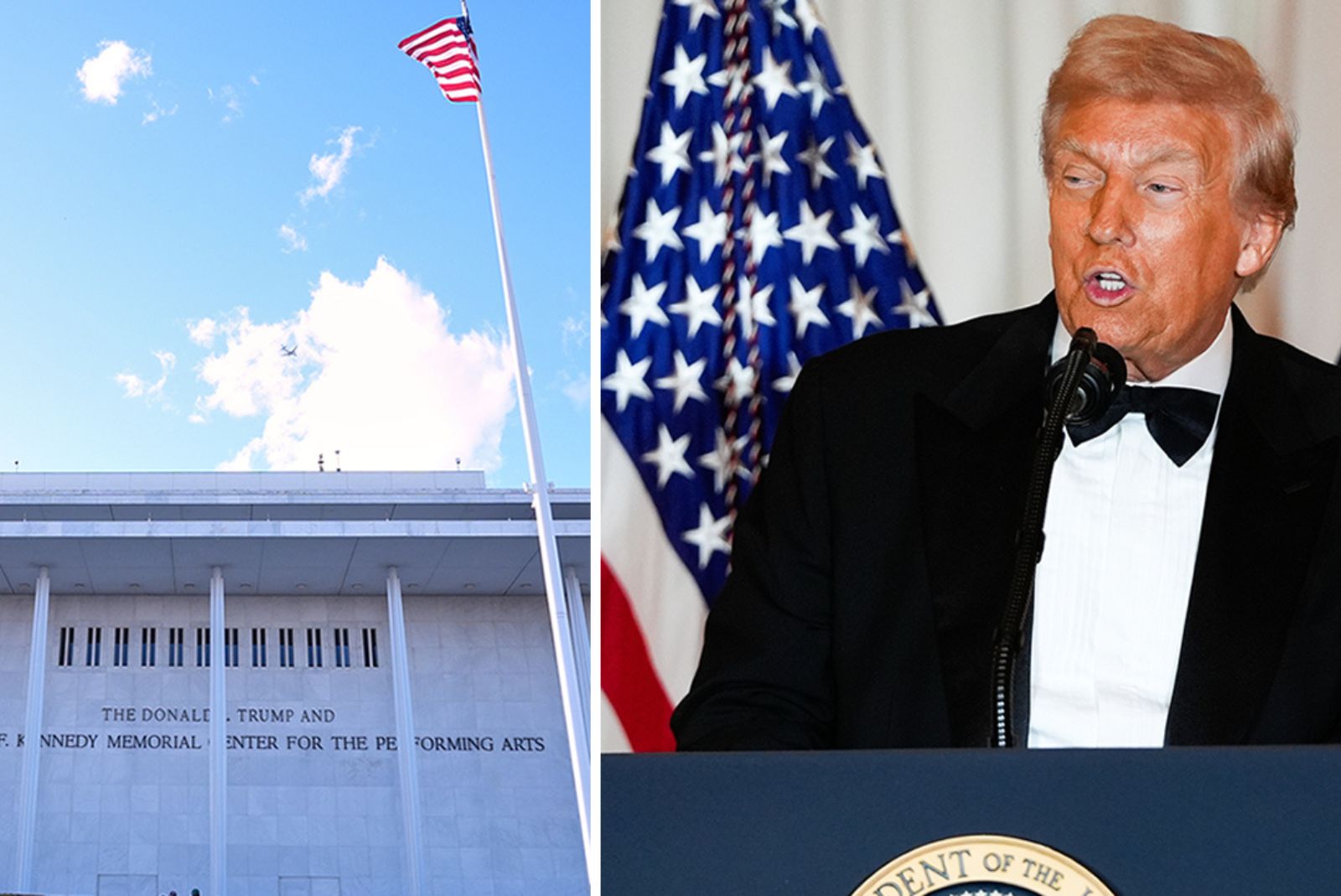


The Kennedy Center Set for 2-Year Closure: What You Need to Know About the Massive Renovation
In a move that has sent shockwaves through the American arts community, President Trump announced that the Kennedy Center for the Performing Arts in Washington, D.C., will be closing its doors for a full two years. Starting July 4, 2026, the iconic venue will undergo extensive renovations aimed at transforming it into what the administration calls a “World Class Bastion of Arts.”
The Vision for the Renovation
According to the President, the decision comes after consultations with structural experts. The administration argues that the current facility is “dilapidated” and in need of both financial and structural overhauls.
Ric Grenell, the current Kennedy Center President, supported the move, stating that a complete temporary closure is more efficient than a partial one. He noted that:
-
Resources can be better invested in a single, comprehensive phase.
-
The construction timeline will be significantly shorter compared to working around live performances.
-
The goal is to preserve the center as the finest arts institution globally.
A Center Under Controversy
The announcement follows months of tension at the historic venue. Since the President’s return to the White House, several changes have sparked debate, including the controversial move to add his name to the building’s facade.
Key Departures and Cancellations
The closure comes amidst a wave of high-profile cancellations from the arts world:
-
Philip Glass: The legendary composer recently withdrew his Symphony No. 15 (“Lincoln”), citing a conflict of values.
-
Washington National Opera: The group announced it would move its performances away from the center.
-
Programming Leadership: The head of artistic programming resigned last week, just days after being appointed.
The Legacy of the Kennedy Center
Opened in 1971, the Kennedy Center was established by Congress as a “living memorial” to President John F. Kennedy. It has served as the premier national stage for the arts and is home to the National Symphony Orchestra.
Critics, including members of the Kennedy family like Maria Shriver and Kerry Kennedy, have voiced strong opposition to the recent changes, particularly the renaming efforts. Additionally, legal challenges are pending, with some lawmakers arguing that only Congress—not the executive branch—has the authority to rename or significantly alter the national memorial.
What Happens Next?
As of now, the construction is slated to begin on Independence Day 2026. While the administration promises a faster, better result, the arts community remains divided on whether a two-year dark period will hurt the cultural fabric of the nation’s capital.