












The 18% Breakthrough: How the Trump-Modi Trade Deal Changes the Global Economy
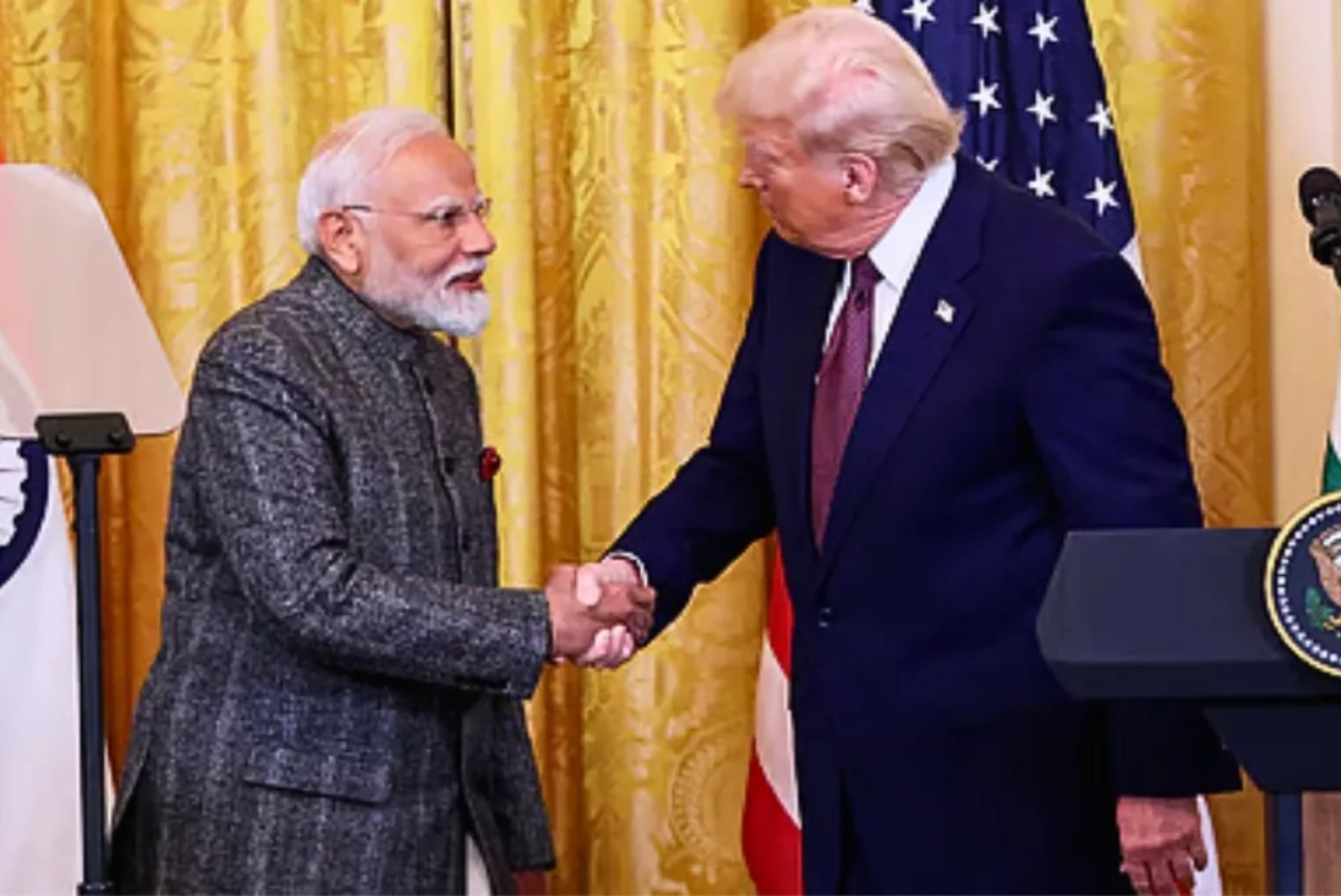
The geopolitical landscape of 2026 was permanently altered this week as President Donald Trump and Prime Minister Narendra Modi finalized a landmark trade agreement. After months of “tariff wars” and diplomatic friction, the “18% Breakthrough” marks a strategic pivot that positions India as the primary alternative to Chinese manufacturing while solidifying U.S. energy dominance in Asia.
Understanding the 18% Tariff Threshold
For the past year, Indian exporters faced a daunting 25% base tariff, which often climbed to 50% due to punitive “Russian oil penalties.” On February 3, 2026, President Trump announced that the reciprocal tariff on most Indian goods would be slashed to 18%.
This specific number is no accident. By setting the rate at 18%, the U.S. has given India a distinct competitive edge over regional neighbors like Vietnam, Indonesia, and Bangladesh, who currently face tariffs in the 19–20% range. For Indian sectors like Textiles, Pharmaceuticals, and Gems & Jewelry, this 2% to 7% difference represents billions of dollars in potential profit margins.
The Energy Quid Pro Quo: Dumping Russian Oil
The most significant “hidden” clause of the deal involves energy sourcing. President Trump was blunt: the tariff rollback was contingent on India’s agreement to stop buying Russian crude oil.
-
The Commitment: PM Modi has agreed to a “rapid wind-down” of Russian energy imports.
-
The Replacement: India will fill the gap with a $500 billion purchase agreement for American energy, technology, and defense systems.
This move effectively isolates Moscow’s economy further while creating a guaranteed market for U.S. LNG and shale oil, a core pillar of the “America First” energy agenda.
Impact on the Solar and Tech Sectors
One of the biggest winners of this deal is India’s fast-growing solar manufacturing sector. Industry leaders, including CEOs from Saatvik Green Energy, have hailed the move as a “strategic turning point.” With the U.S. emerging as India’s most important overseas market, the tariff cut makes “Made in India” solar cells and modules significantly more cost-competitive for U.S. utility developers.
Market Reaction and Future Outlook
Following the announcement, the Nifty 50 and the Indian Rupee saw their strongest single-day gains of the year. While critics in India worry about the impact on local farmers due to increased U.S. agricultural imports, the overall sentiment is one of “economic relief.”
As we look toward the rest of 2026, this deal serves as a blueprint for how the U.S. intends to use “Trade Diplomacy” to build a new network of allies that are decoupled from both China and Russia.