













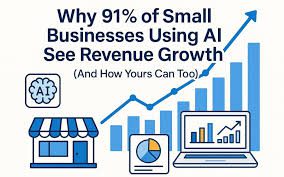
Artificial Intelligence is no longer just for tech giants. Across the United States, small businesses are using AI tools to reduce costs, increase revenue, and automate daily operations. From local coffee shops to online e-commerce brands, AI is helping entrepreneurs compete with larger companies without hiring massive teams.
According to reports from the U.S. Small Business Administration, small businesses make up 99% of all U.S. businesses. As competition grows, adopting AI has become a strategic advantage rather than a luxury.
Let’s explore how American small businesses are actually using AI to increase profits in 2026.
AI-Powered Customer Support (Saving Time & Labor Costs)
One of the biggest expenses for small businesses is customer service. Hiring full-time support staff can be costly. Today, many businesses are using AI chatbots powered by companies like OpenAI to:
-
Answer frequently asked questions 24/7
-
Process returns and refunds
-
Collect customer data
-
Schedule appointments
💰 Profit Impact:
-
Reduced staffing costs
-
Faster response times
-
Higher customer satisfaction
-
Increased conversion rates
For example, a small online clothing store can handle hundreds of daily inquiries without hiring multiple employees.
Smarter Marketing with AI (More Sales, Less Guesswork)
Marketing used to depend on trial and error. Now AI tools analyze customer behavior and predict buying patterns.
Small businesses are using platforms like:
-
Google Ads AI automation
-
Meta Platforms ad targeting
-
Email AI personalization tools
AI Helps With:
-
Audience targeting
-
Ad budget optimization
-
Automated email campaigns
-
Product recommendations
💰 Profit Impact:
-
Lower ad spend waste
-
Higher ROI on ads
-
Better customer retention
AI ensures businesses show the right product to the right customer at the right time.
Inventory Management & Demand Forecasting
Retail and e-commerce businesses often lose money due to overstocking or running out of inventory.
AI tools analyze:
-
Past sales data
-
Seasonal trends
-
Customer demand patterns
This allows business owners to:
-
Predict which products will sell
-
Avoid dead inventory
-
Reduce storage costs
💰 Profit Impact:
-
Improved cash flow
-
Reduced losses
-
Better product planning
Even small Shopify stores now use AI-based forecasting plugins to optimize stock levels.
AI in Accounting & Financial Planning
Managing finances manually can lead to costly errors. Many small businesses now use AI-powered accounting software to:
-
Track expenses automatically
-
Detect unusual transactions
-
Generate financial reports
-
Predict cash flow
AI reduces human error and helps owners make smarter financial decisions.
💰 Profit Impact:
-
Fewer accounting mistakes
-
Better tax planning
-
Improved financial forecasting
When you understand your numbers clearly, profit decisions become easier.
Personalized Customer Experience
Customers in the U.S. expect personalization. AI makes this possible even for small businesses.
Examples:
-
Product recommendations on websites
-
Personalized email offers
-
Dynamic pricing models
AI studies customer behavior and suggests products that match their interests.
💰 Profit Impact:
-
Increased average order value
-
Higher repeat purchases
-
Stronger brand loyalty
Personalization directly increases revenue without increasing traffic.
AI Content Creation & Social Media Growth
Content marketing is essential but time-consuming. AI tools help small businesses:
-
Write blog posts
-
Generate social media captions
-
Create ad copy
-
Design marketing ideas
This reduces the need to hire expensive agencies.
💰 Profit Impact:
-
Lower content creation costs
-
Faster marketing execution
-
More consistent posting
Consistency increases brand visibility and sales opportunities.
AI for Data-Driven Decision Making
Most small business owners rely on intuition. AI replaces guessing with data.
AI dashboards can show:
-
Best-selling products
-
Customer lifetime value
-
Drop-off points in sales funnel
-
Conversion rates
With better data, business owners can adjust pricing, offers, and strategies quickly.
💰 Profit Impact:
-
Faster growth decisions
-
Improved operational efficiency
-
Reduced financial risk
AI in Hiring & HR
Recruiting is expensive and time-consuming. AI helps by:
-
Screening resumes
-
Ranking candidates
-
Automating interview scheduling
This reduces hiring time significantly.
💰 Profit Impact:
-
Faster recruitment
-
Better talent selection
-
Reduced HR costs
Challenges Small Businesses Face with AI
While AI offers many benefits, there are challenges:
-
Initial setup cost
-
Learning curve
-
Data privacy concerns
-
Choosing the right tools
However, most AI tools now offer affordable subscription models suitable for small businesses.
The Future of AI for Small Businesses in America
By 2026 and beyond, AI will likely become standard in:
-
Retail analytics
-
Customer service
-
E-commerce personalization
-
Financial automation
-
Cybersecurity protection
Businesses that adopt AI early gain a competitive advantage over those that delay.