













The Future of Smart Homes in the USA: How Technology Is Changing Everyday Living
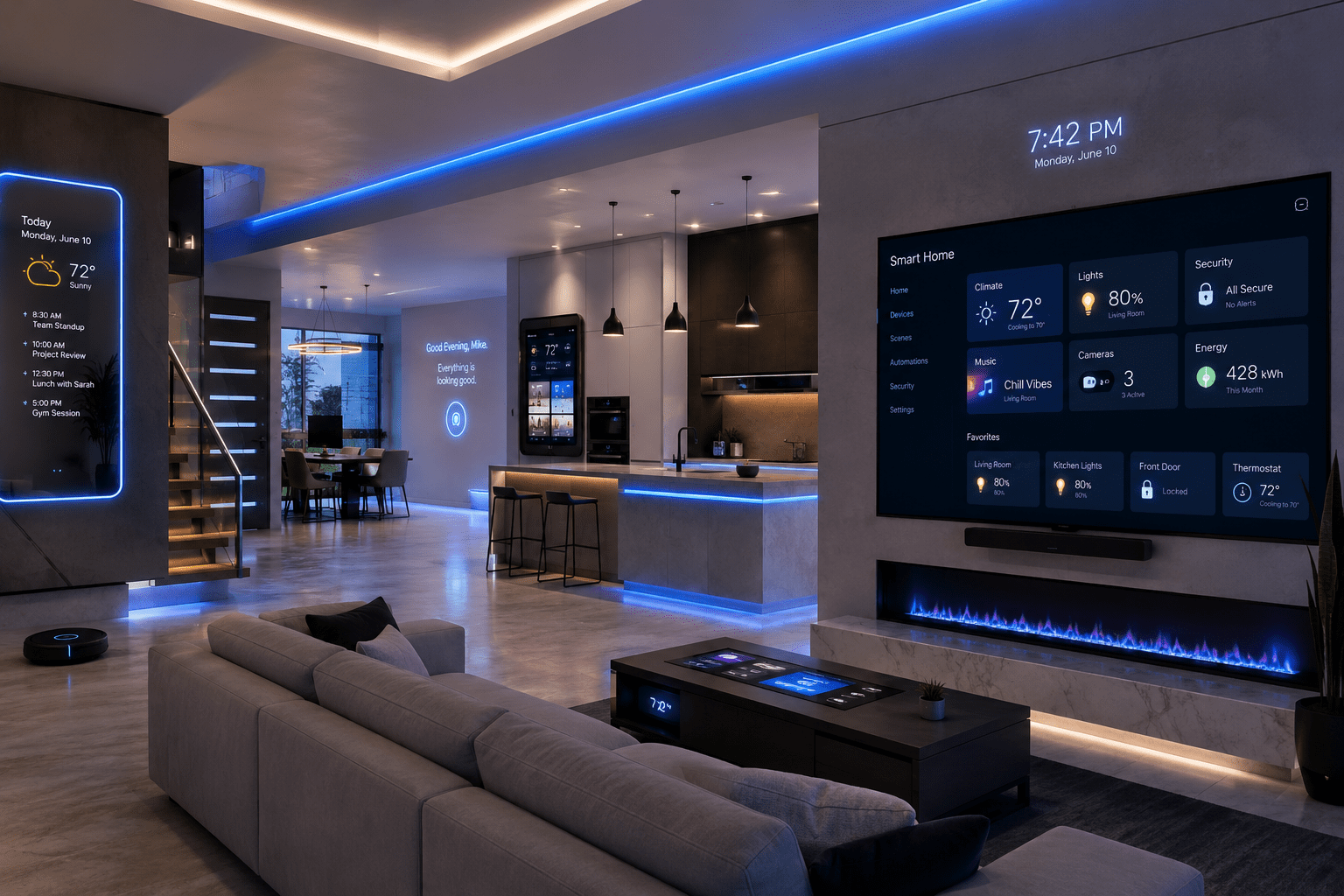
Technology is rapidly transforming the way people live, work, and interact with their homes. Across the United States, smart home technology is becoming one of the fastest-growing innovations in modern living. From voice-controlled assistants to AI-powered security systems, smart homes in the USA are no longer considered a luxury for the future. They are becoming a practical and essential part of everyday life.
Homeowners throughout the country are investing in connected devices that improve convenience, security, comfort, and energy efficiency. As technology continues to evolve, the concept of a smart home is also expanding. Today’s modern homes can automatically adjust lighting, monitor energy use, manage appliances remotely, and even learn the habits of the people living inside them.
The growing demand for smart homes in the USA is driven by several factors, including increasing internet connectivity, affordable smart devices, advancements in artificial intelligence, and the desire for more efficient lifestyles. This trend is expected to continue for many years as technology companies develop more advanced and user-friendly systems.
What Are Smart Homes?
A smart home is a residence equipped with internet-connected devices that allow homeowners to monitor and control various systems remotely. These devices communicate with each other using wireless technology and can often be controlled through smartphones, tablets, or voice assistants.
Some of the most common smart home technologies include:
- Smart lighting systems
- Smart thermostats
- Voice assistants
- Smart locks
- Security cameras
- Automated appliances
- Smart entertainment systems
- Energy management devices
The purpose of these technologies is to simplify daily tasks while improving efficiency and security. Many homeowners in the USA now view smart home in the USA systems as an investment that increases both comfort and property value.
Why Smart Homes in the USA Are Becoming Popular
The popularity of smart homes in the USA has increased significantly over the last decade. Several important factors are driving this growth.
Convenience and Automation
One of the biggest reasons homeowners choose smart technology is convenience. Smart homes allow users to control lighting, temperature, appliances, and entertainment systems with a simple voice command or mobile app.
For example, homeowners can:
- Turn off lights remotely
- Adjust room temperatures automatically
- Lock doors from anywhere
- Receive notifications about home activity
- Schedule appliances to operate at specific times
Automation reduces the amount of manual work required for daily living and creates a more comfortable environment.
Enhanced Security Features
Security is another major reason why smart homes in the USA are gaining attention. Smart security systems provide real-time monitoring and instant alerts.
Modern smart security features include:
- Motion detection cameras
- Smart doorbells
- Facial recognition systems
- Remote access control
- Mobile security notifications
These technologies help homeowners monitor their properties even when they are away. The added protection provides peace of mind and helps improve overall home safety.
Energy Efficiency
Energy efficiency has become a priority for many American homeowners. Smart home devices can help reduce energy consumption by automatically controlling lighting, heating, cooling, and appliances.
Smart thermostats are especially popular because they learn user behavior and optimize energy use based on daily schedules. This not only lowers utility bills but also supports environmentally friendly living.
As energy costs continue to rise in many parts of the USA, smart homes are becoming an effective solution for managing household expenses.
The Role of Artificial Intelligence in Smart Homes
Artificial intelligence is playing a major role in the evolution of smart homes in the USA. AI-powered systems can analyze data, learn user preferences, and automate decisions without constant human input.
For example, AI technology can:
- Learn preferred room temperatures
- Detect unusual home activity
- Suggest energy-saving adjustments
- Automate routines based on user habits
- Improve voice assistant responses
As AI technology improves, smart homes in the USA will become even more intelligent and personalized.
Many experts believe that future smart homes will be capable of predicting homeowner needs before commands are even given. This level of automation will redefine modern living standards across the United States.
Smart Home Technology and Remote Work
The rise of remote work has also contributed to the growth of smart homes in the USA. More people now spend significant time at home, increasing the demand for comfortable and efficient living environments.
Smart technology supports remote work by improving:
- Home office comfort
- Internet connectivity
- Lighting control
- Temperature management
- Security for home-based businesses
Professionals working remotely benefit from homes that are optimized for productivity and convenience.
Popular Smart Home Devices in the USA
The smart home market in the USA offers a wide range of devices for homeowners. Some of the most widely used products include:
Smart Speakers

Voice assistants and smart speakers have become central hubs for smart home systems. These devices allow users to control connected technology using voice commands.
Smart Thermostats
Smart thermostats automatically manage heating and cooling systems to improve comfort and energy efficiency.
Smart Lighting Systems
Smart lighting allows homeowners to adjust brightness, colors, and schedules remotely.
Smart Security Cameras
Security cameras provide live video monitoring and advanced motion detection features.
Smart Kitchen Appliances
These technologies continue to evolve as companies compete to create more advanced and affordable products.
Challenges Facing Smart Homes in the USA
Although smart home technology offers many advantages, there are still several challenges that homeowners should consider.
Privacy Concerns
Smart devices collect and process large amounts of personal data. Some homeowners worry about how companies store and use this information.
Protecting user privacy will remain an important issue as smart technology becomes more integrated into everyday life.
Cybersecurity Risks
Because smart homes in the USA rely on internet-connected devices, they can become targets for cyberattacks.
Homeowners should take precautions such as:
- Using strong passwords
- Updating software regularly
- Securing Wi-Fi networks
- Choosing trusted technology brands
Cybersecurity awareness is essential for maintaining safe smart home environments.
Device Compatibility
Not all smart devices work together seamlessly. Some homeowners experience compatibility issues between products from different manufacturers.
Industry leaders are working toward universal standards that will improve device integration in the future.
Future Trends for Smart Homes in the USA
The future of smart homes in the USA looks extremely promising. Experts predict continued growth as technology becomes more advanced and affordable.
Several emerging trends are expected to shape the industry:
AI-Powered Automation
Artificial intelligence will continue improving home automation systems. Future smart homes may anticipate user needs automatically.
Sustainable Living Solutions
Smart homes will play a major role in promoting sustainability through energy-efficient technologies and renewable energy integration.
Smart Health Monitoring
Healthcare technology may become more integrated into homes through devices that monitor wellness, sleep quality, and emergency situations.
Advanced Home Robotics
Home robotics could become more common in the future, assisting with cleaning, security, and household tasks.
Faster Connectivity
The expansion of high-speed internet and next-generation wireless networks will improve smart home performance and reliability.
Benefits of Investing in Smart Homes
Many homeowners in the USA view smart home technology as a long-term investment. Smart homes in the USA offer multiple advantages that can improve daily life.
Key benefits include:
- Increased convenience
- Better security
- Lower energy costs
- Improved comfort
- Higher property value
- Greater home efficiency
As smart technology becomes more mainstream, homes equipped with advanced systems may become more attractive to buyers.
Smart Homes and the Real Estate Market
Real estate professionals are increasingly highlighting smart features when marketing homes.
Properties with smart technology often appeal to modern buyers who value convenience and innovation. Features such as smart security systems, automated lighting, and energy-efficient devices can make properties more competitive in the housing market.
Builders and developers across the USA are also incorporating smart technology into new construction projects.
How Americans Are Adapting to Smart Living
Consumers in the USA are adapting quickly to smart living lifestyles. Younger generations especially view connected technology as a normal part of everyday life.
The widespread use of smartphones and wireless internet has made it easier for homeowners to adopt smart systems. Many people now expect homes to include advanced technology features that support modern living.
As digital lifestyles continue evolving, smart homes will likely become standard in many American households.